
The Digital Nomad’s Guide to Relocating to Kigali The Digital Nomad’s Guide to Relocating to Kigali (2026)
For remote workers seeking their next base, the traditional hotspots are becoming overcrowded and expensive. Today, the most exciting destination for location-independent professionals is in the heart of East Africa. Being a digital nomad in Kigali is no longer a well-kept secret; it is rapidly becoming the gold standard for remote work on the continent.
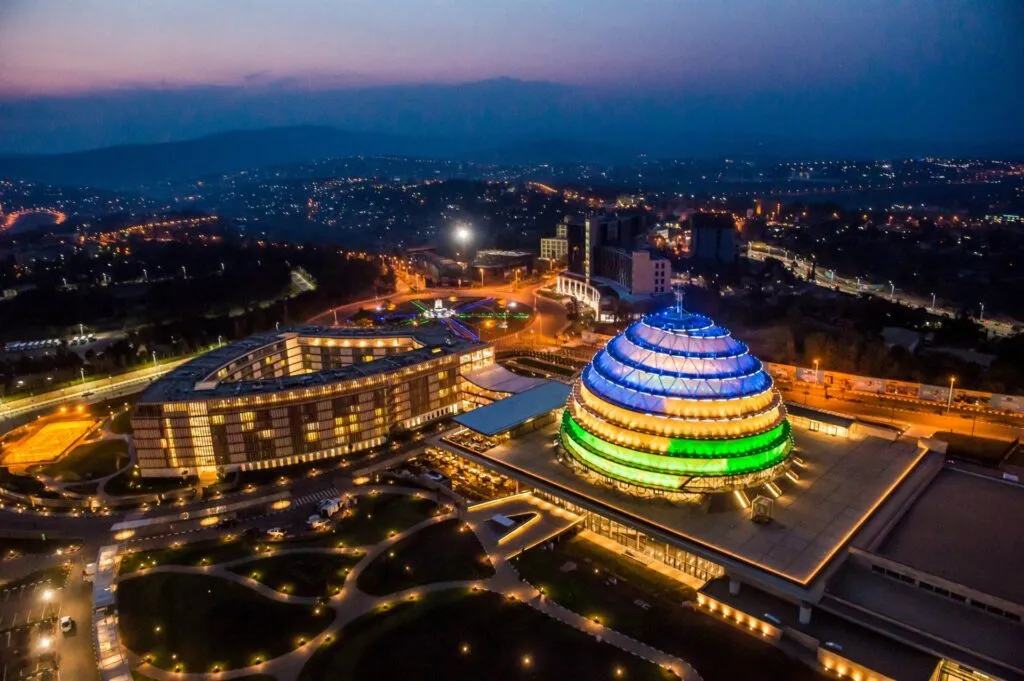
With its impeccable safety record, booming startup ecosystem, and incredibly welcoming immigration policies, Rwanda’s capital is drawing remote workers from Lagos, Nairobi, Johannesburg, and beyond.
If you are tired of administrative friction and want to plug into a vibrant, future-focused city, here is exactly how to relocate seamlessly to one of the most innovative capitals in the world.
Why Tech Professionals are Flocking to Rwanda
Kigali is aggressively positioning itself as the premier tech hub in Africa. The government has invested heavily in creating an ecosystem that fosters innovation, entrepreneurship, and digital growth.
This has resulted in world-class co-working spaces, most notably the Norrsken House Kigali, which is the largest hub for entrepreneurs in Africa. For a digital nomad, this means immediate access to a community of like-minded founders, developers, and creatives.
Beyond the tech scene, Kigali is consistently ranked among the best African cities for expats. It is famous for its spotless streets, minimal traffic, lush green hills, and incredibly low crime rate, offering a peaceful environment where you can actually focus on your work.
Utilizing the Visa on Arrival for Remote Work
The biggest hurdle for digital nomads is usually securing the legal right to stay. Fortunately, remote work in Rwanda is facilitated by the country’s famously open borders.
If you hold an African passport, you do not need to visit an embassy or fill out complex paperwork before flying. You can simply utilize the free visa on arrival policy to enter the country and immediately start working from your laptop.
- AU Citizens: Receive a free 30-day visa on arrival.
- Francophonie/Bilateral Citizens: Receive a free 90-day visa on arrival.
- EAC Citizens: Receive a free 6-month visitor’s pass.
Not sure what you need to show at the airport? Read our step-by-step guide: Exactly How Rwanda’s Free Visa on Arrival Works for African Passports
Internet, Infrastructure, and Quality of Life
A digital nomad is only as successful as their Wi-Fi connection. Kigali delivers on this front exceptionally well.
The city boasts widespread 4G LTE coverage and high-speed fiber-optic internet in most modern apartments, cafes, and co-working spaces. Power outages are relatively rare compared to other regional capitals, allowing for uninterrupted deep work.
Quality of life here is high, while the cost of living remains very manageable. You can rent a modern, furnished apartment in expat-friendly neighborhoods like Kimihurura or Nyarutarama for a fraction of what you would pay in Cape Town or Europe. Plus, the city’s burgeoning cafe culture provides endless spots to open your laptop while enjoying world-class Rwandan coffee.
Securing Long-Term Residency
While the free visa on arrival is perfect for a “trial run” or a short-term stay, successful digital nomads often decide they want to make Kigali a permanent base.
Operating on a visitor’s visa is only a temporary solution. To stay legally for the long term, open local bank accounts, and sign long-term leases, you will need to transition your status. Rwanda offers straightforward pathways for entrepreneurs to register a business, or for independent professionals to secure longer-term permits.
Want to understand the bigger picture of regional mobility and how Rwanda’s policies fit in? Check out our Ultimate Guide to Africa’s Global Mobility Shift.
Ready to relocate? Let Visas Abroad handle the logistics so you can focus on your work.
Frequently Asked Questions (FAQs) for Digital Nomads
Is the internet in Kigali fast enough for video calls and remote work? Yes. Kigali has excellent internet infrastructure. Most modern apartments, hotels, and co-working spaces offer high-speed fiber internet that easily handles Zoom calls, large file uploads, and daily remote work tasks.
Is Kigali safe for solo female digital nomads? Kigali is widely considered one of the safest cities in Africa, and indeed the world. Violent crime is extremely rare, and solo female travelers consistently report feeling safe walking in most neighborhoods, even after dark.
Does Rwanda have a specific “Digital Nomad Visa”? Currently, Rwanda does not have a visa explicitly named the “Digital Nomad Visa” like some European countries. However, remote workers legally use the generous visa-free entry (up to 6 months for EAC citizens) to test the waters, and then frequently transition to an entrepreneur or business visa if they wish to establish a long-term base.
How much does it cost to live in Kigali as an expat? The cost of living is highly scalable. A comfortable, furnished one-bedroom apartment in a safe, central neighborhood typically ranges from $500 to $800 USD per month. Local food and transport (like motorcycle taxis) are very cheap, while imported goods and international restaurants will cost closer to Western prices.